
PIPL Lyceum
bring to education!
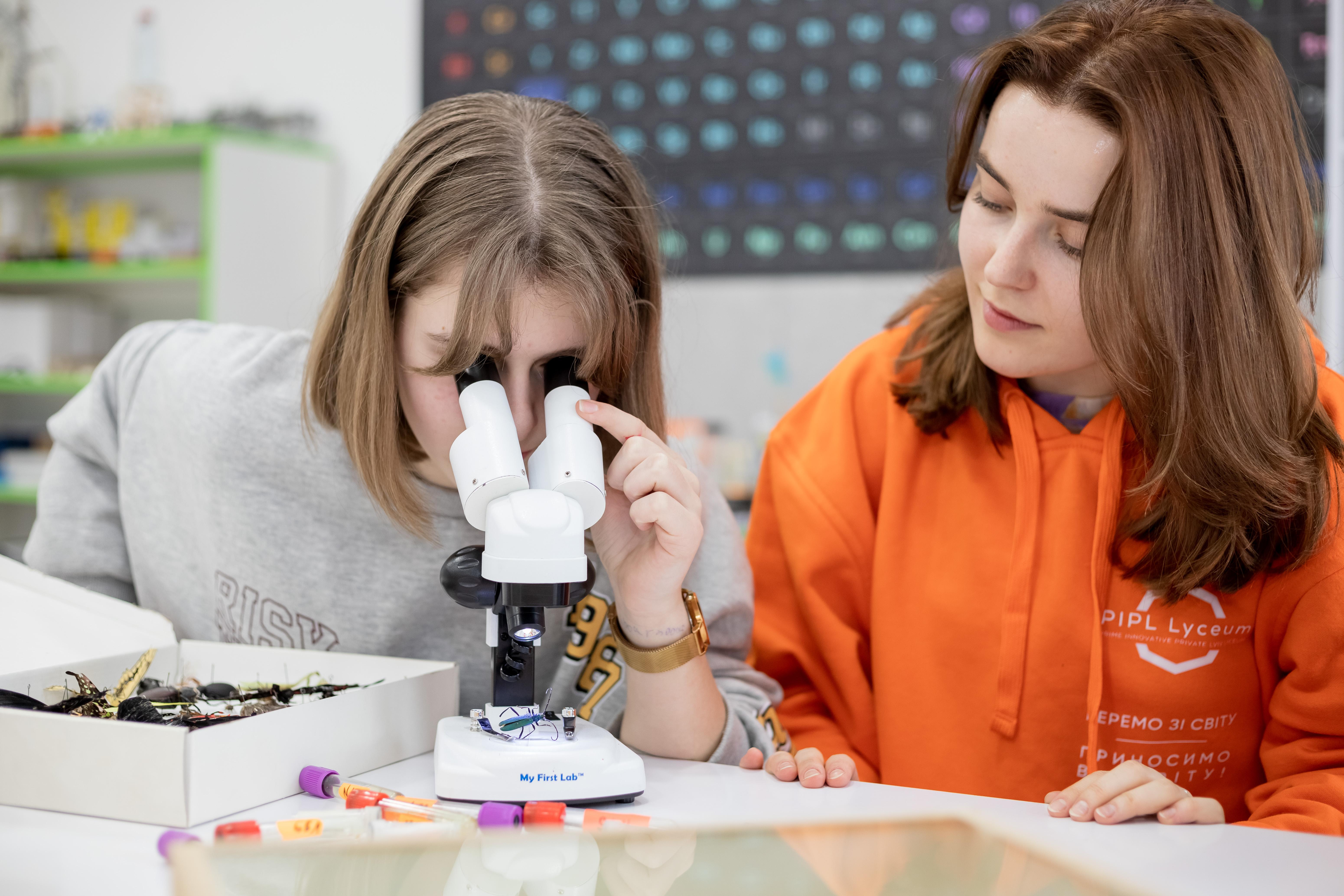
Be part of an inspiring educational environment. Understand that knowledge is power that is always with you. To have the opportunity to be yourself and become the best version of yourself. Learn with pleasure in the environment of ambitious, intelligent and proactive people. Our creative community knows how to motivate students to give their best every day, encouraging them with their own experience.
Why we are chosen
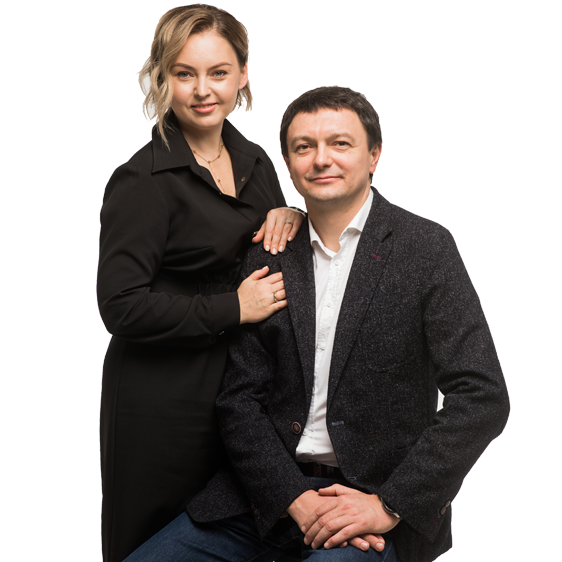
"We are creating an educational environment that unites a strong community of values of adults and children. We can already see the path our graduates choose, and we are very proud of their results. It is not just about exams or choosing a specialty - it is primarily about the kind of people they grow up to be in our environment: honest, intellectual, conscious, determined. Attention to the child and his needs is extremely important to us, because it is the strength of the individual that can change the world for the better. This is our team and it strives to convey to our students - a love of life, the courage to change, and the ability to take responsibility not only for their own lives, but also for the community."
Відеоподкаст Місія:PIPL від творців ПІПЛ Ліцею
Тема: Найкраща приватна школа Львова: як ПІПЛ Ліцей
забезпечує академічну першість?
Who chooses us
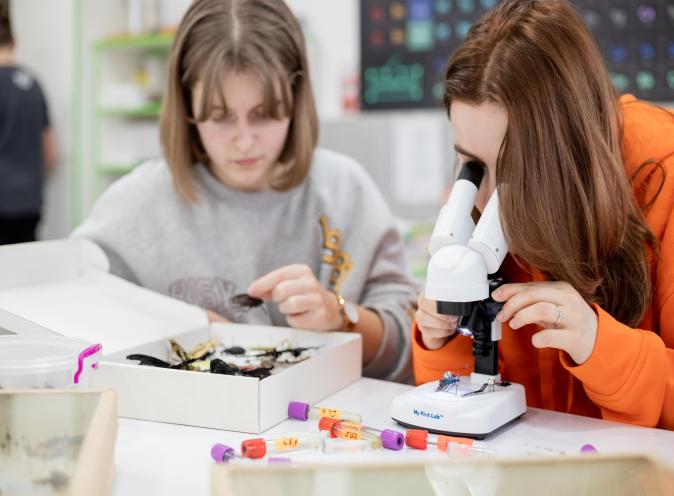
The child-centered educational program of the lyceum covers humanities, social, natural and formal sciences, gives each student a choice, creating above all a safe space for trying - the first step to success.
Three whales The foundations of our lyceum's innovation
Our academic program is full of original developments, because innovation begins with a creative approach that allows us to see new opportunities and solutions where others see problems.
- The integrated course of literature, history and art is an example of interdisciplinary and allows our students to understand how different forms of culture are interconnected and interact with each other, develops their critical thinking and emotional sensitivity.
- IMPROV - theatrical improvisation at school is an important tool for developing students' creative, communication, emotional and social skills.
- Social sciences - form in children an understanding of why certain phenomena occur in society, how they affect the life of each person and society as a whole.
- Computer science - contribute to the development of skills in working with information and digital tools, which are important in any field.
- Engineering and art - teach how to solve complex problems through a combination of practical and aesthetic approaches, develop thinking and imagination.

The lyceum's educational program focuses not on academic achievements, but on working with the personality that each child is. The formation of values, social skills, and moral guidelines is the basis for a full and successful life.
- Social projects teach PIHL students that creating positive changes in society is possible only through the active participation of us - citizens. You can change the world regardless of age and status, you just have to show initiative.
- Expeditions across Ukraine and abroad broaden our children's worldview, form a sense of community, and allow them to learn in the most effective way - through gaining their own experience.
- Mentor support helps synchronize the expectations of parents, the child's desires, and the capabilities of the lyceum in the process of each student's growth. Individual development plans allow you to record progress, quickly solve current problems, and focus on individuality.
- The system of formative activities allows us to respond to the needs and requests of children and systematically work on the development of skills and competencies of each age category.
- Optional courses form a large network of courses to choose from, allowing each child to realize their potential beyond the academic program.

Elective courses are designed to give our students something that usually remains outside of school. Through elective courses, we realize the talents and callings of our children, give them the opportunity to try their hand and reflect on the experience gained.
- Weaving stories (writing course)
- Indoor gardening
- Military analytics
- Astronomy for students in grades 5-7
- Parliamentary debates
- Model UN
- Native speaker
- Dubbing and voice acting
- PIPL podcast
- Self-defense
- Conceptual art
- Filmmaking
- Reading club
- Public speaking
- Handball
- Volleyball
- Entomology
- Renewable energy
- Advertising communications
- Laboratory of a young politician

Our team
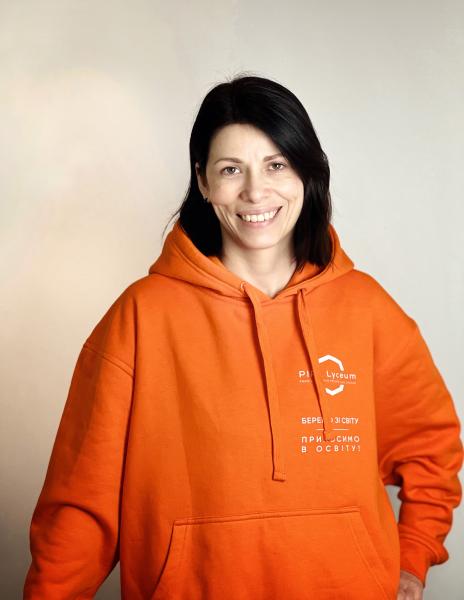
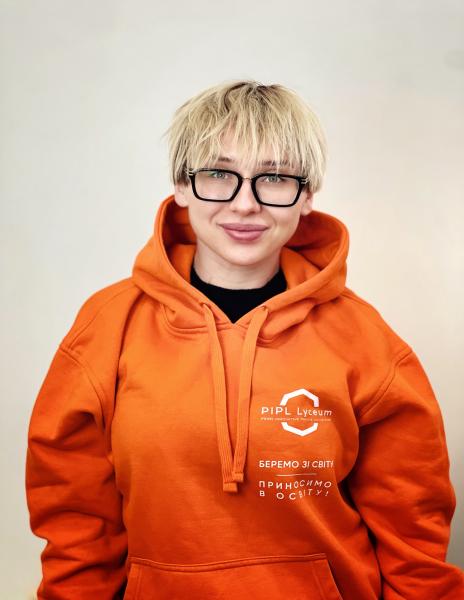
Dolaychuk
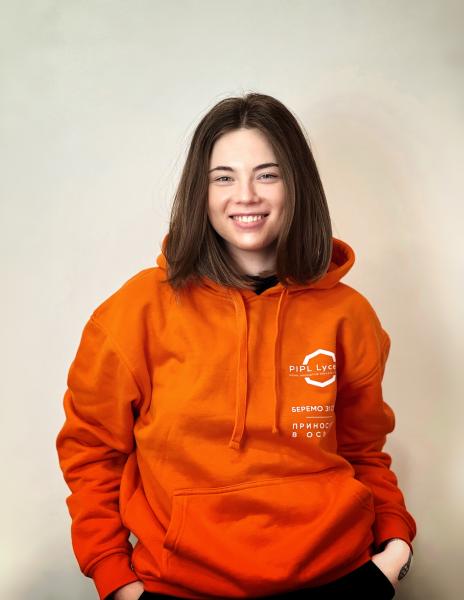
Malik
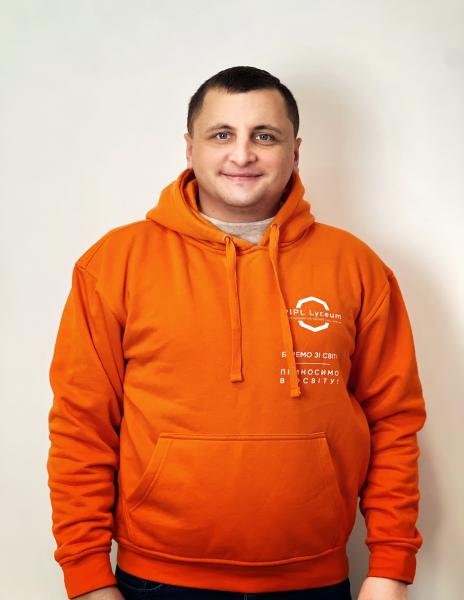
Orel
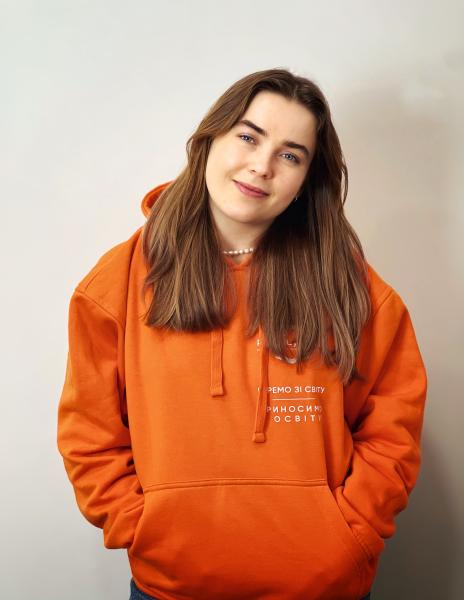
Petrychak
Shkabura
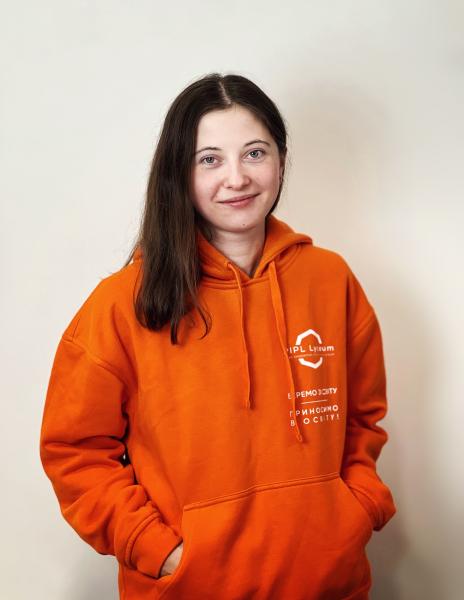
Kendzior
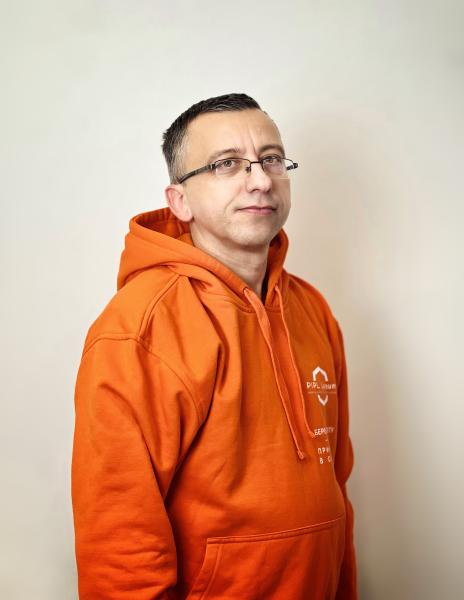
Kobzyak
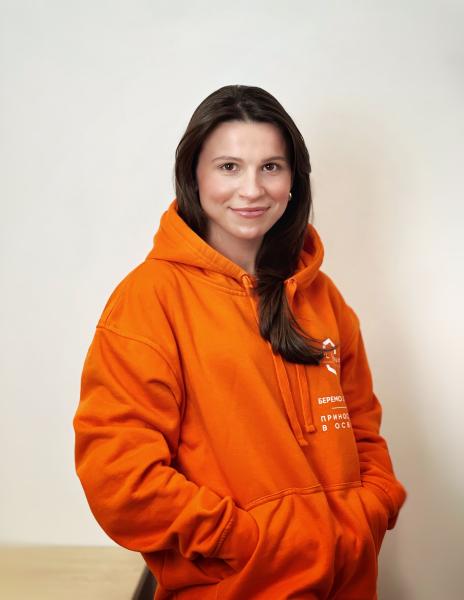
Kindifora
Tariff plan
St. Naukova, 5a**
 Nasi studenci
Unsere Schüler
Nuestros estudiantes
I nostri studenti
Our students
Наші учні
Nasi studenci
Unsere Schüler
Nuestros estudiantes
I nostri studenti
Our students
Nasi studenci
Unsere Schüler
Nuestros estudiantes
I nostri studenti
Our students
Наші учні
Nasi studenci
Unsere Schüler
Nuestros estudiantes
I nostri studenti
Our students
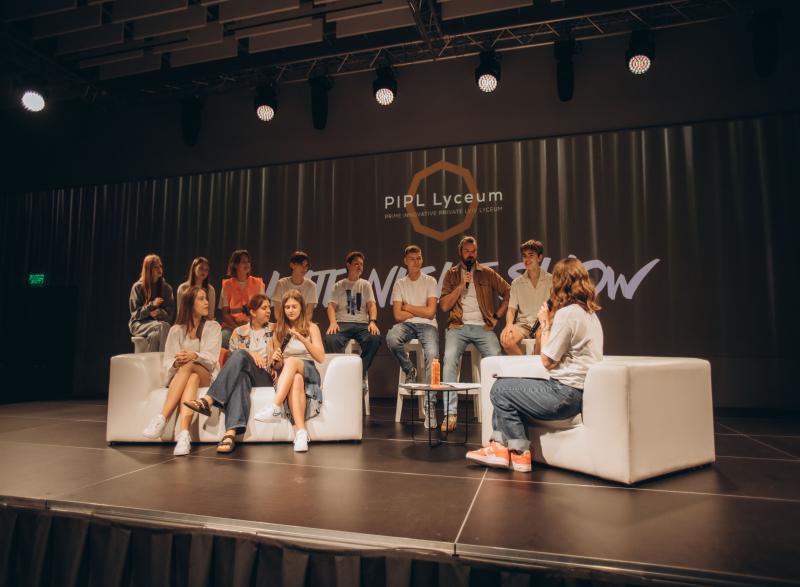
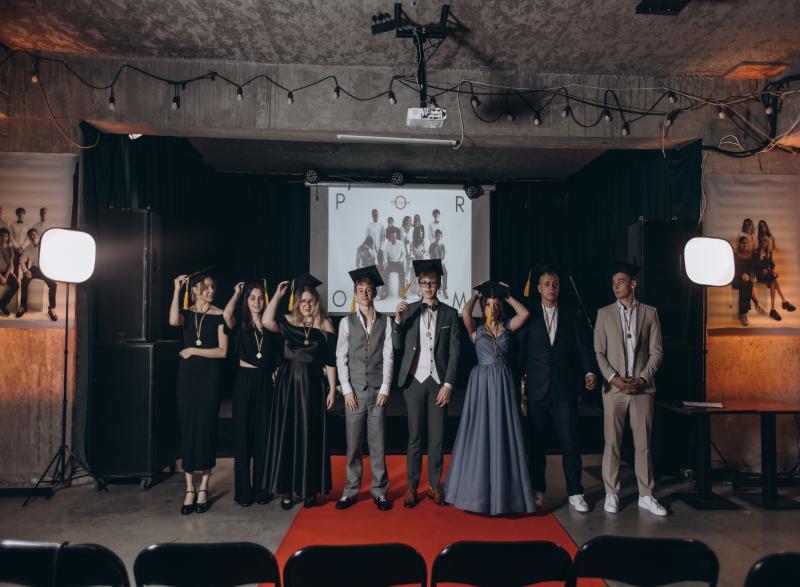
Portrait of our graduate
Ми підготували відео, де розказуємо про те, ким є ВИПУСКНИК ПІПЛ Ліцею.
Запрошуємо до перегляду!
У кадрі Ви побачите: очільницю Надію Дубченко, академічну директорку ліцею Ольгу Долайчук, керівницю формаційної програми Тетяну Орел, директорку ліцею Наталію Малик та завідувача історичної кафедри Олександра Сапронова.
Frequently asked questions
Our team includes employees with appropriate professional education, teachers and psychologists with work experience.
We systematically organize specialized training and professional training for the team.
Teachers regularly undergo inspections and certifications.
Each class has up to 18 students.
During the lesson, the teacher and the class supervisor are present in the classroom.
Yes, we have an age-specific admission process designed to ensure a smooth and thoughtful transition into our school community:
Grades 0–3
Instead of formal testing, each child has an individual meeting with our school psychologist. This helps us get to know the child better, understand their unique personality, and ensure a comfortable and supportive start to learning.
Grades 4–11 (Liceum admission)
For admission to the liceum, students complete:
• Testing in three subjects:
— Ukrainian language
— English language
— Mathematics
• A meeting with the liceum psychologist to assess emotional readiness and motivation.
In addition to studying basic subjects, we focus on the development of the following important skills in children:
- critical and spatial thinking;
- emotional intelligence;
- psychology of communication;
- leadership;
- social responsibility;
- cyber security;
- human rights.
We work from 9 a.m. to 7 p.m.
In the afternoon, there are group classes and active leisure time for children.
At the beginning of the school year, students together with their class curator create and approve their own set of class rules. This helps to foster responsibility, mutual respect, and a sense of shared ownership of the learning environment.
To ensure an effective and uninterrupted learning process, students are expected to remain in the classroom throughout the entire lesson.
If there is an urgent need to leave, this may only be done with the teacher’s permission.
During the absence from school, the student can study remotely using remote access.
Please note that the educational process cannot be completely individual. For a full-fledged educational process of the 21st century, it is necessary to work in a group, solve problems together and cooperate.
A student who has been absent from school due to illness for up to 3 calendar days may attend school without providing a certificate from a doctor.
A student who has been absent from school due to illness for three or more days is required to provide a doctor’s note with recommendations regarding physical activity during PE lessons, including the duration of any limitations (if applicable).Parents must also submit a written statement to the school administrator.
If the student is unable to attend school on any day due to illness or for any other reason known to the parents, a corresponding statement from the parents must be submitted before the start of the school day.
Parents are financially responsible for damage to school property by their child.
Students are responsible for keeping their property. If a student loses any of his belongings, even valuable ones, the school is not responsible, but often the belongings are located, in which case they can be collected from the chests in the hall, and valuables from the administrator.
